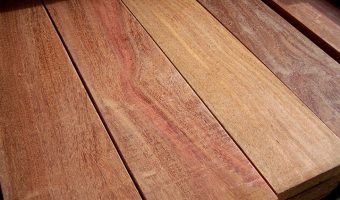
Lumber grades hold immense significance for both the buyer and the seller as they primarily govern the aesthetic look, structural strength, and pricing of the lumber. However, these grades might only tell half the story, leaving a gap within the understanding of the quality and potential use of the piece of lumber in question. For a comprehensive understanding, it is crucial to delve deeper into the story that the lumber grade displays.

Abstract Concept of Lumber Grades
The concept of lumber grades is an abstract one. It organizes lumber into categories based on its visual attributes. Thoughtfully constructed by industry professionals, the grades apply to all types of lumber, from expensive hardwoods to affordable softwoods. The detail that these grades encompass varies with the kind of wood. However, they carry a significant influence on every phase of woodworking projects, from selection and budgeting, through to the final aesthetics.

Undeniable Importance of Lumber Grades
Despite the abstractness, the significance of lumber grades is undeniable. They determine the visual quality of the finish, allowing you to choose the wood that will render the appeal you desire for your project. In addition to visual aesthetics, these grades also ensure the integrity and longevity of the structure being built.
Lumber grades also have essential economic implications. Expensive grades can overburden the project costs while cheaper ones might compromise on quality. Therefore, understanding the grading system facilitates sound decision-making, prevents wastage, and contributes to cost-efficiency.

Half-Told Story of Lumber Grades
Despite the careful observation and classification, it’s fair to say that lumber grades tell only half the story. They quantify the amount of clear, defect-free wood on a board, but they aren’t definitive measures of the actual strength, performance, or quality of the lumber.
Often, the same grade of lumber can be of varying quality, depending on the locale the lumber is sourced from, the mill conditions where the original log was cut, and the species of the wood itself. The latter, in terms of color, texture, and working properties, is an essential factor that often remains untold in the grading system.

Beyond the Grade: Delving Deeper into Quality
Understanding the implications beyond just the grade of lumber is essential. This involves understanding the inherent features of the specific type of wood you’re dealing with, which is far beyond the confines of the grading system.
Certain species of wood offer value that is not evident in the grade. For instance, the grain density matters. High-density woods are generally more substantial, durable, and less prone to warping and cracking, compared to those of low-density.
Wood’s moisture content is another important aspect to consider. The moisture level can directly impact the durability and performance of the lumber, affecting how it responds to changes in temperature and humidity.

Harmonization of Lumber Grades
To draw a harmonious balance between the outward facade and the hidden narrative, you need to consider both the lumber grades and the individual characteristics of the species. This balanced approach can provide a more comprehensive understanding of the material you’re working with, and it aids in making well-informed decisions.
While lumber grades serve as a useful guideline for describing the appearance of an individual board of wood, they may not capture the full picture of a piece’s potential or quality. Therefore, it is essential to take into account factors like the inherent properties of the wood species, including its grain density and moisture content, for a completely informed judgment.

By understanding the complete narrative of the lumber, from the inherent characteristics of the species to their standard grades, woodworkers, builders, and hobbyists can make sound decisions that merge aesthetic appeal and structural integrity, all while keeping an eye on the budget.
Thus, the importance of understanding the half-told story and delving deeper into the concept of lumber grades becomes invaluable for an optimal woodworking experience.