In today’s building and design world, the word “sustainable” gets used everywhere – especially when it comes to wood. From decking and siding to millwork and furniture, wood is often marketed as an environmentally friendly material. But what does it actually mean for a wood species to be sustainable?
The answer is more nuanced than a label or certification stamp. True sustainability in lumber isn’t just about where a tree comes from – it’s about how forests are managed, how wood is harvested, how it’s processed and transported, and how it performs over time.
With over two centuries of experience, J. Gibson McIlvain Co. has seen the evolution of forestry, global sourcing, and environmental standards firsthand. In this article, we’ll break down what sustainability really means in the real world – and how to make smarter choices when selecting wood for your next project.

1. Sustainability Starts in the Forest
At its core, sustainable wood begins with responsible forest management. This means harvesting timber in a way that maintains the long-term health, biodiversity, and productivity of the forest.
In a sustainably managed forest:
- Trees are harvested at a rate that allows natural regeneration
- Ecosystems are protected, including wildlife habitats and soil health
- Illegal logging and deforestation are avoided
- Local communities are respected and supported
This is especially important when dealing with tropical hardwoods like Mahogany. While these species often grow in regions under environmental pressure, many are sourced from well-managed forests that operate under strict regulations or certification systems.
The key takeaway? The species itself isn’t inherently unsustainable – how it’s harvested is what matters.

2. Certifications: Helpful, But Not the Whole Story
When discussing sustainable wood, certifications often come up first. Programs like the Forest Stewardship Council (FSC) are designed to verify that wood products come from responsibly managed forests.
FSC certification can be a valuable indicator because it:
- Tracks wood from forest to final product (chain of custody)
- Ensures environmental and social standards are met
- Provides transparency in sourcing
However, certification is not the only measure of sustainability – and it’s not always practical or available for every supplier or region. Some responsibly managed forests may not pursue certification due to cost, bureaucracy, or local constraints.
That’s why working with a knowledgeable supplier matters. Companies with direct relationships to mills and exporters can often verify sourcing practices beyond what a label alone can show.

3. The Role of Global Supply Chains
Sustainability doesn’t stop at the forest – it extends across the entire supply chain.
A truly sustainable lumber operation considers:
- How logs are transported from forest to mill
- How efficiently they are processed
- How waste is minimized
- How products are shipped internationally
Companies that act as importers of record and maintain close relationships with mills have better oversight of these processes. This level of control helps ensure that sustainability isn’t lost between the forest and the job site.
It also allows for smarter decisions, such as:
- Selecting mills that maximize yield from each log
- Reducing unnecessary transportation steps
- Avoiding suppliers with questionable practices
In short, sustainability is not just about origin – it’s about accountability at every stage.

4. Durability: The Overlooked Sustainability Factor
One of the most misunderstood aspects of sustainable wood is durability.
A wood product that lasts 40–75 years with minimal maintenance is often far more sustainable than one that needs to be replaced every 10–15 years – even if the shorter-lived option is marketed as “eco-friendly.”
Tropical hardwoods like Genuine Mahogany, Sapele, and Ipe are known for their natural resistance to rot, insects, and weather. This durability means:
- Fewer replacements over time
- Less material consumption overall
- Reduced maintenance (and fewer chemical treatments)
From a lifecycle perspective, long-lasting wood products can significantly reduce environmental impact.
Sustainability isn’t just about how wood is harvested – it’s about how long it performs.

5. Waste Reduction & Smart Milling
Another critical factor in sustainability is how efficiently raw material is used.
In modern lumber operations, waste reduction happens through:
- Optimized sawing techniques that maximize usable yield
- Repurposing offcuts and byproducts
- Precision milling to reduce job site waste
When lumber is milled to exact specifications before delivery, it minimizes:
- On-site cutting and waste
- Installation errors
- Material overordering
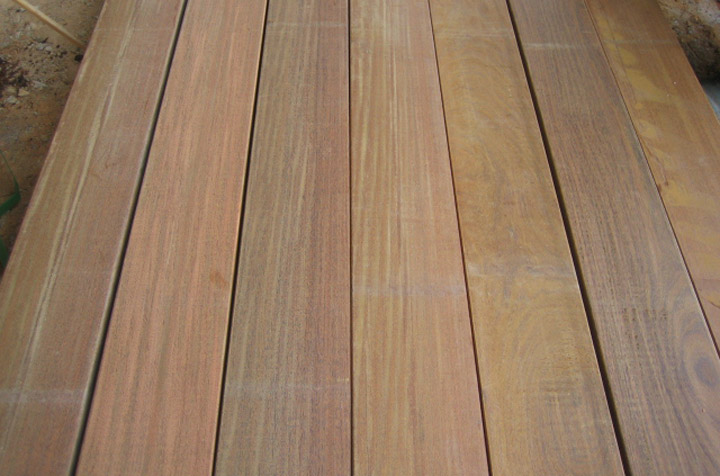
This is where integrated millwork capabilities make a difference. By transforming raw lumber into finished components – whether decking, siding, or architectural elements – suppliers can ensure that each piece of wood is used as efficiently as possible.
6. Matching the Right Wood to the Right Application
Not all wood is suitable for every application – and choosing the wrong species can undermine sustainability.
For example:
- Using an interior-grade wood outdoors may lead to premature failure
- Choosing a softwood where a hardwood is needed can result in frequent replacement
- Over-specifying an exotic hardwood where a domestic species would suffice can increase unnecessary environmental impact
Sustainable design is about fit-for-purpose selection.
An experienced supplier can help value-engineer a project by recommending:
- The appropriate species for performance and environment
- The optimal dimensions to reduce waste
- Alternatives that balance cost, durability, and availability
This kind of guidance ensures that sustainability is built into the project from the start – not added as an afterthought.

7. Transportation & Delivery Matter More Than You Think
It’s easy to overlook logistics when thinking about sustainability, but how wood is delivered can have a meaningful impact.
Efficient delivery systems help:
- Reduce fuel consumption and emissions
- Prevent damage that leads to material waste
- Streamline installation, saving time and resources
Proper packaging is also essential. Lumber that arrives damaged or improperly bundled often ends up discarded or replaced – adding unnecessary strain to both budgets and the environment.
By controlling delivery methods and packaging processes, suppliers can ensure that materials arrive ready for use, minimizing waste at the final stage of the journey.

8. The Human Element of Sustainability
Sustainability isn’t just environmental – it’s also social and economic.
Responsible forestry and lumber production support:
- Fair labor practices
- Local economies in sourcing regions
- Skilled craftsmanship in milling and manufacturing
Long-standing relationships with mills and suppliers often indicate a commitment to these values. Companies that invest in people – both in the forest and along the supply chain – help create systems that are sustainable in the truest sense.

A Real-World Definition of Sustainable Wood
So, what makes a wood “sustainable”?
It’s not a single factor – it’s a combination of many:
- Responsible forest management
- Transparent and accountable sourcing
- Efficient processing and minimal waste
- Long-term durability and performance
- Thoughtful species selection
- Reliable logistics and delivery
- Ethical labor and economic support
When all of these elements come together, wood becomes one of the most sustainable building materials available.

Putting Sustainability Into Practice
In a world of quick labels and simplified marketing claims, true sustainability requires a deeper understanding. It’s about looking beyond surface-level definitions and considering the entire lifecycle of a material – from forest to final installation and beyond.
Wood, when sourced and used responsibly, offers a rare combination of beauty, performance, and environmental benefit. But achieving that balance takes expertise, oversight, and a commitment to doing things the right way.
That’s where experience matters. With generations of knowledge and a global perspective, companies like J. Gibson McIlvain Co. continue to demonstrate that sustainability isn’t just a trend – it’s a responsibility built into every step of the process.
Whether you’re designing a high-end residence, specifying materials for a commercial project, or simply exploring your options, understanding what makes wood sustainable will help you make choices that stand the test of time – for both your project and the environment.
Editor Note: A; C.