In a world filled with new materials, engineered products, and constantly shifting design trends, one wood species continues to hold a unique position in high-end architectural millwork: Mahogany.
For generations, architects, builders, craftsmen, and designers have relied on Mahogany for projects where appearance, workability, stability, and long-term performance truly matter. While many alternative species have entered the market over the years, Mahogany remains the benchmark against which other millwork woods are often measured.
But why has Mahogany maintained that reputation for so long?
The answer lies in a rare combination of beauty, reliability, versatility, and performance – qualities that become especially important in premium residential and commercial applications. With more than two centuries of experience sourcing and supplying hardwoods, J. Gibson McIlvain Co. has seen firsthand why Mahogany continues to be one of the most respected woods in architectural millwork.

What Makes Mahogany Different?
The word “Mahogany” is sometimes used broadly in the lumber industry, but Genuine Mahogany has long been prized for a very specific set of characteristics. It offers a warm, refined appearance paired with excellent dimensional stability and exceptional machining properties. Few wood species manage to combine beauty, durability, and workability as successfully as Mahogany.
This balance is one reason why Mahogany has historically been used in luxury homes, historic restoration projects, custom cabinetry, architectural paneling, fine doors and windows, and even yacht interiors. Its reputation was not built through marketing trends alone – it was earned through generations of real-world performance.
Unlike some hardwoods that excel in one area while creating problems in another, Mahogany tends to perform consistently across the board. That consistency is a major reason it continues to be trusted for demanding millwork applications.

Exceptional Workability for Complex Millwork
One of Mahogany’s greatest strengths is its machinability.
In millwork applications, wood often needs to be routed into detailed profiles, shaped with precision, sanded to a refined finish, and joined cleanly without excessive tear-out. Mahogany performs exceptionally well throughout this process.
Its relatively even grain structure allows craftsmen and CNC machinery alike to produce crisp details with less splintering and chipping than many alternative hardwoods. This becomes especially valuable in decorative moldings, custom trim packages, raised panels, and architectural details where precision matters.
For millwork shops, this consistency improves efficiency and reduces waste. For homeowners and architects, it results in cleaner lines, sharper profiles, and a more polished finished product.
This workability also helps during installation. Materials that machine predictably and consistently are often easier to fit and adjust on-site, which can make a meaningful difference on complex custom projects.

Stability That Matters Over Time
One of the most overlooked aspects of quality millwork is dimensional stability.
Wood naturally expands and contracts as environmental humidity changes. If a species moves excessively, issues can develop over time. Doors may warp, joints may separate, trim gaps may appear, and panels may crack or shift.
Mahogany has long been valued because it remains comparatively stable in changing conditions. This makes it particularly well suited for applications where tight tolerances and visual consistency are essential.
Large entry doors, custom windows, wall panel systems, cabinetry, and precision interior trim all benefit from a wood species that maintains its integrity over time. In luxury homes, where even small imperfections become noticeable, this stability becomes a major advantage.
Properly milled and installed Mahogany often continues to perform beautifully years after installation, which is one reason it remains so heavily specified in premium projects.

Aesthetic Versatility Across Design Styles
Mahogany’s visual appeal is another reason it has remained relevant across generations of architecture and interior design.
Its warm tones and elegant grain patterns can complement a wide variety of styles. In traditional homes, Mahogany brings richness and timeless sophistication. In contemporary spaces, it can create warmth and texture without feeling overly ornate.
Depending on the finish applied, Mahogany can appear deep and formal or more natural and understated. This flexibility gives designers significant creative freedom while still maintaining the unmistakable character associated with genuine hardwood.
Mahogany also accepts stains and finishes exceptionally well, allowing customization without masking the wood’s natural depth and beauty. The result is a material that feels refined but still organic – something many synthetic alternatives struggle to replicate convincingly.

Durability Beyond Appearance
Although Mahogany is widely admired for its beauty, its durability is equally important.
Quality millwork materials must withstand years of daily use, seasonal humidity shifts, sunlight exposure, and general wear. Mahogany performs well in these conditions, especially when properly finished and maintained.
Its natural resistance to decay has contributed to its longstanding use in exterior doors, windows, marine applications, and architectural exteriors. Many historic buildings still feature original Mahogany millwork that has survived for decades – or even centuries.
This durability also contributes to sustainability. Materials that last longer require fewer replacements, generate less waste, and reduce long-term resource consumption. In that sense, longevity itself becomes part of the value proposition.
In high-end construction, clients are often looking for materials that age gracefully rather than simply looking good at the time of installation. Mahogany has consistently proven its ability to do both.

Why Architects & Builders Continue to Specify Mahogany
In luxury construction, predictability matters just as much as aesthetics.
Architects and builders continue specifying Mahogany because they understand how it behaves. There are fewer surprises during fabrication, finishing, and installation compared to many alternative species.
That reliability becomes particularly valuable in custom homes, historic renovations, and projects involving detailed architectural work. Tight schedules and demanding expectations leave little room for inconsistent material performance.
Mahogany provides confidence that the finished product will align with the original design intent – not only immediately after completion, but years into the future as well.
Its combination of machinability, stability, durability, and visual consistency makes it easier for architects and builders to achieve premium results reliably.

The Role of Sustainable Sourcing
As sustainability continues to become a greater focus within architecture and construction, responsibly sourced Mahogany remains an important part of the conversation.
Like any wood species, sustainability depends heavily on responsible forest management, transparent sourcing practices, and long-term stewardship of natural resources.
Reputable suppliers work closely with mills and exporters to ensure compliance with environmental regulations and responsible harvesting practices. This is especially important within the global hardwood market, where sourcing standards can vary significantly.
Companies with longstanding relationships and direct oversight of their supply chains are better positioned to provide responsibly sourced material while maintaining the quality expected for high-end millwork applications.

Mahogany vs. Modern Alternatives
Over the years, many alternative species and synthetic products have been promoted as replacements for Mahogany. Some perform well in specific situations, but few offer the same overall balance of qualities.
Certain hardwoods may be highly durable but difficult to machine cleanly. Others may provide visual appeal but lack long-term stability. Synthetic products may offer consistency, but they often struggle to replicate the depth, warmth, and authenticity of real hardwood.
Mahogany continues to stand apart because it performs well across multiple categories simultaneously. It is not simply attractive or durable or workable – it successfully combines all of those traits in a way that relatively few materials can match.
That balanced performance is what has allowed Mahogany to remain relevant despite changing trends and evolving technologies.

Millwork Is About More Than Lumber
Successful millwork involves far more than selecting the right species.
Moisture control, milling precision, grading standards, packaging, delivery logistics, and craftsmanship all play critical roles in the final outcome. Even the finest Mahogany can underperform if these factors are ignored.
This is where experienced suppliers make a significant difference. Companies like J. Gibson McIlvain Co. bring a comprehensive understanding of the process – from sourcing and milling to project coordination and delivery.
That expertise helps ensure that the wood arriving at the job site is properly prepared to meet the demands of premium architectural work.
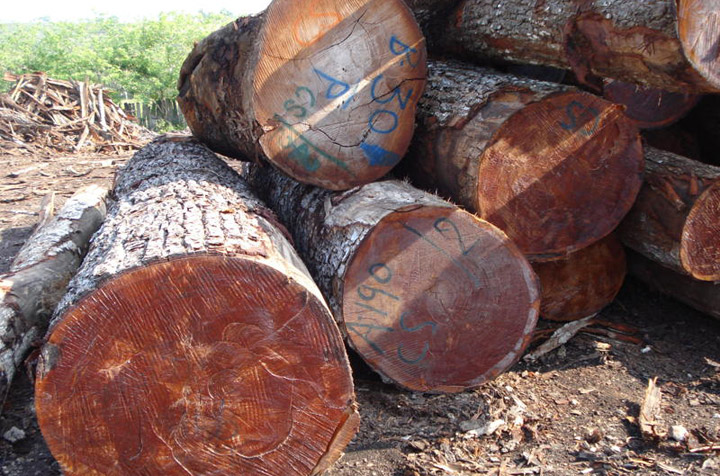
Why Mahogany Continues to Set the Standard
Design trends will continue to evolve, and new materials will continue to enter the marketplace. Yet certain materials earn lasting reputations because they consistently deliver exceptional results over time.
Mahogany remains the gold standard for millwork because it offers something remarkably rare: beauty without sacrificing performance, stability without sacrificing workability, and durability without sacrificing elegance.
For architects, builders, designers, and homeowners seeking timeless quality, Mahogany continues to represent one of the finest millwork materials available.
And after centuries of use in some of the world’s most beautiful and demanding projects, its reputation remains well deserved.
Editor Note: A; C.